
Mold is one of the questions we get asked about most, right behind radon. A buyer sees a dark spot in a crawlspace or catches a musty smell in the basement, and suddenly the whole deal feels shaky. Here is what mold testing actually involves, when you need it, and how it fits into a home inspection in Knoxville, Oak Ridge, and Maryville.
What Is a Mold Inspection?
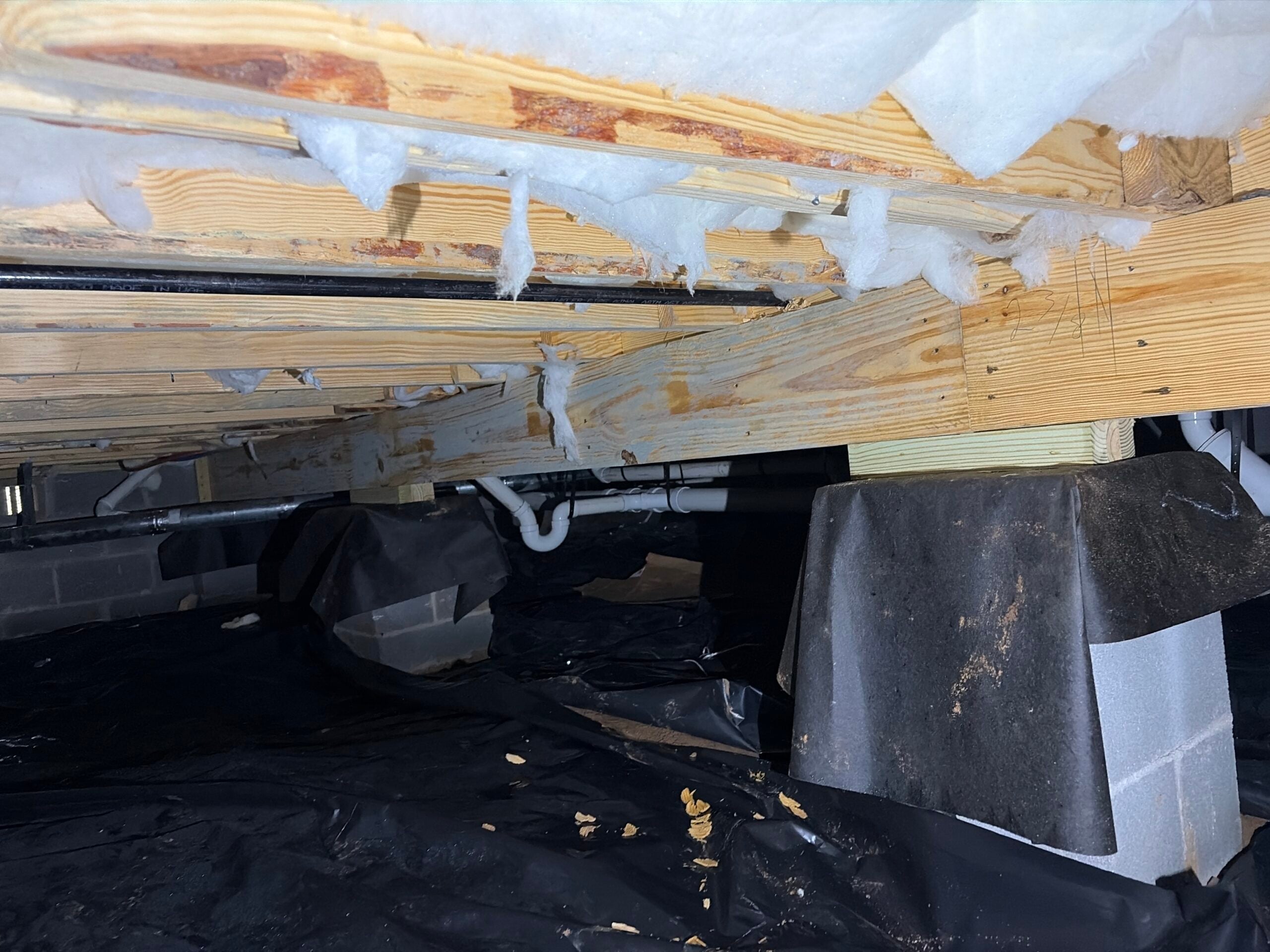
A mold inspection identifies visible mold growth, moisture sources that could be feeding hidden mold, and, when samples are collected, the type and concentration of mold spores present. It is different from a general home inspection. A standard home inspection is a visual review of the home’s systems and components. A mold inspection is a targeted evaluation focused specifically on moisture intrusion and fungal growth.
Depending on what we find during the visual assessment, we use one or more sampling methods. Air sampling measures spore levels in the air itself and is the best tool for detecting hidden or airborne mold that is not visible to the eye. Tape lift sampling and swab sampling are used directly on a suspicious surface, such as a stain on drywall or framing, to identify exactly what type of mold is growing there. Which combination of air quality testing and surface sampling makes sense depends on what we see on site.
At Bent Nail, our mold and air quality testing is performed in partnership with Sporecyte, an ISO/IEC 17025:2017 accredited laboratory. That accreditation matters because it means the lab follows internationally recognized standards for testing and calibration, so the results you get back are consistent and defensible, not just a guess based on what a sample looks like under a microscope. Sporecyte provides the interpretation of the lab results directly in your report, so you are not left trying to decode raw spore counts on your own. On top of the lab’s accreditation, our technicians hold IAC2 mold inspection certification, so the person collecting your samples has been trained specifically in mold assessment, not just general home inspection.
Signs You Might Need a Mold Test
- A musty or earthy smell in the basement, crawlspace, or attic
- Visible staining or discoloration on drywall, wood framing, or insulation
- A recent or past water intrusion event, including a slow leak that was never fully dried out
- High humidity or poor ventilation in a crawlspace or attic
- A seller’s disclosure that mentions past water damage or mold remediation
- Household members with unexplained allergy symptoms that improve when they leave the house
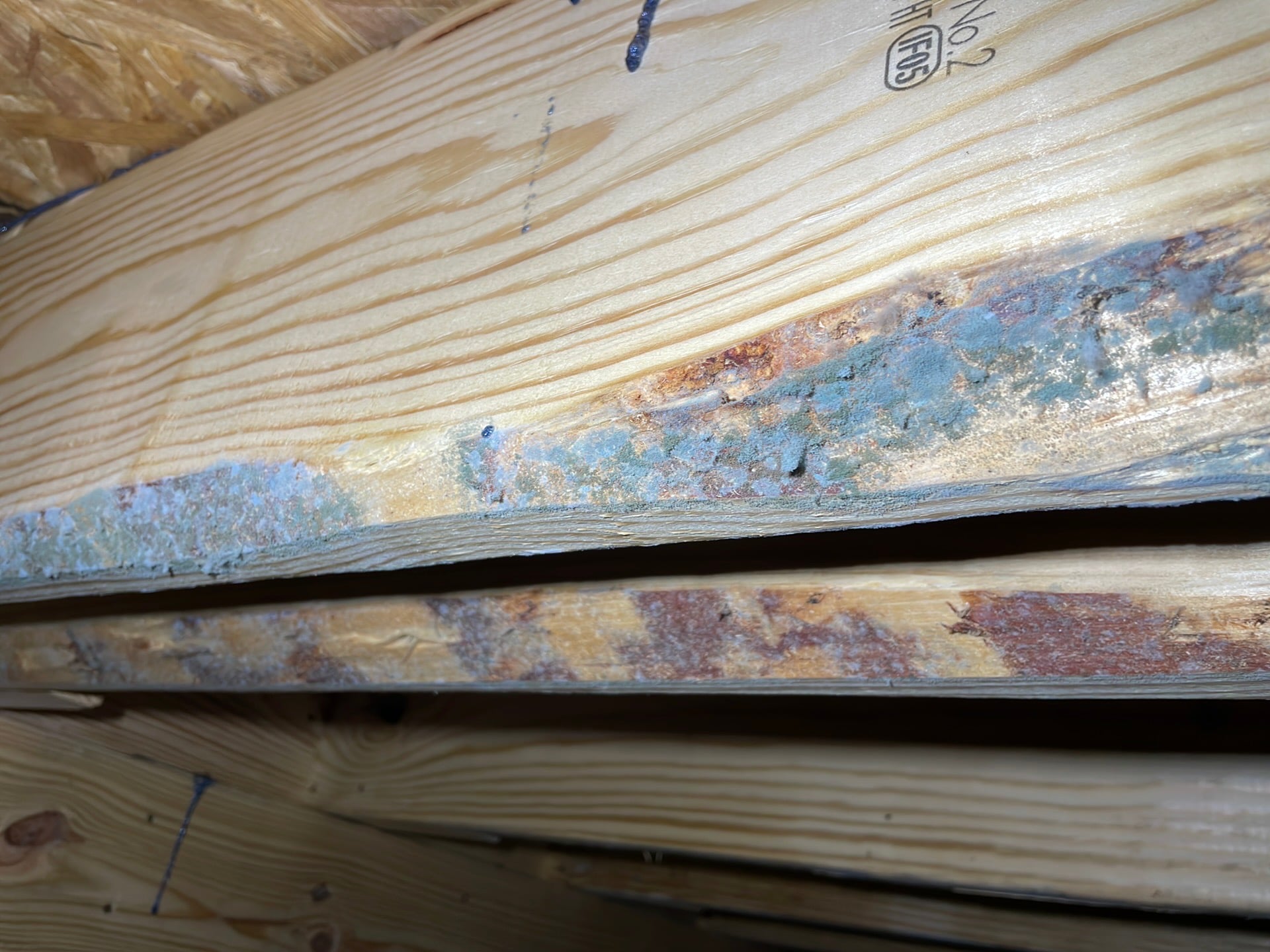
None of these signs guarantee mold is present, and the absence of a smell or stain does not rule it out either. Mold can grow behind walls, under flooring, or inside HVAC systems where it is never visible during a routine walkthrough. That is exactly why testing exists as its own service.
Why Get Mold Tested During a Home Purchase
Buying a home is the point in the process where you have the most leverage to ask questions and negotiate. If a mold test comes back clean, you move forward with confidence. If it comes back positive, you now have documented, lab backed evidence you can use to negotiate remediation, a price adjustment, or in some cases walk away from the deal entirely.
Waiting until after closing removes all of that leverage. At that point, remediation is a cost you absorb alone, and depending on the extent of the growth, it can range from a straightforward cleanup to a significant renovation project.
Why East Tennessee Homes Are Prone to Mold
Mold needs moisture to grow, and our region gives it plenty of opportunity. East Tennessee summers bring high humidity, and that humidity settles into crawlspaces where ventilation is often limited. Another common issue we see is condensation forming on HVAC ductwork as it moves cool, conditioned air through a hot, humid crawlspace or attic. That condensation creates exactly the kind of moisture mold needs to take hold, often out of sight until it has been growing for a while.
What Happens If Mold Is Found
A positive result is not the end of the road. Bent Nail is a testing and consulting service, not a remediation company, which keeps our results objective since we have no financial incentive to find a problem that is not there. If your test does come back positive, we can point you toward mold remediation contractors we have worked with in the East Tennessee area. Once remediation work is complete, we also offer post-remediation clearance testing, a follow-up test to confirm the remediation was effective and the home is clear before you move forward.
Residential, Commercial, and New Construction
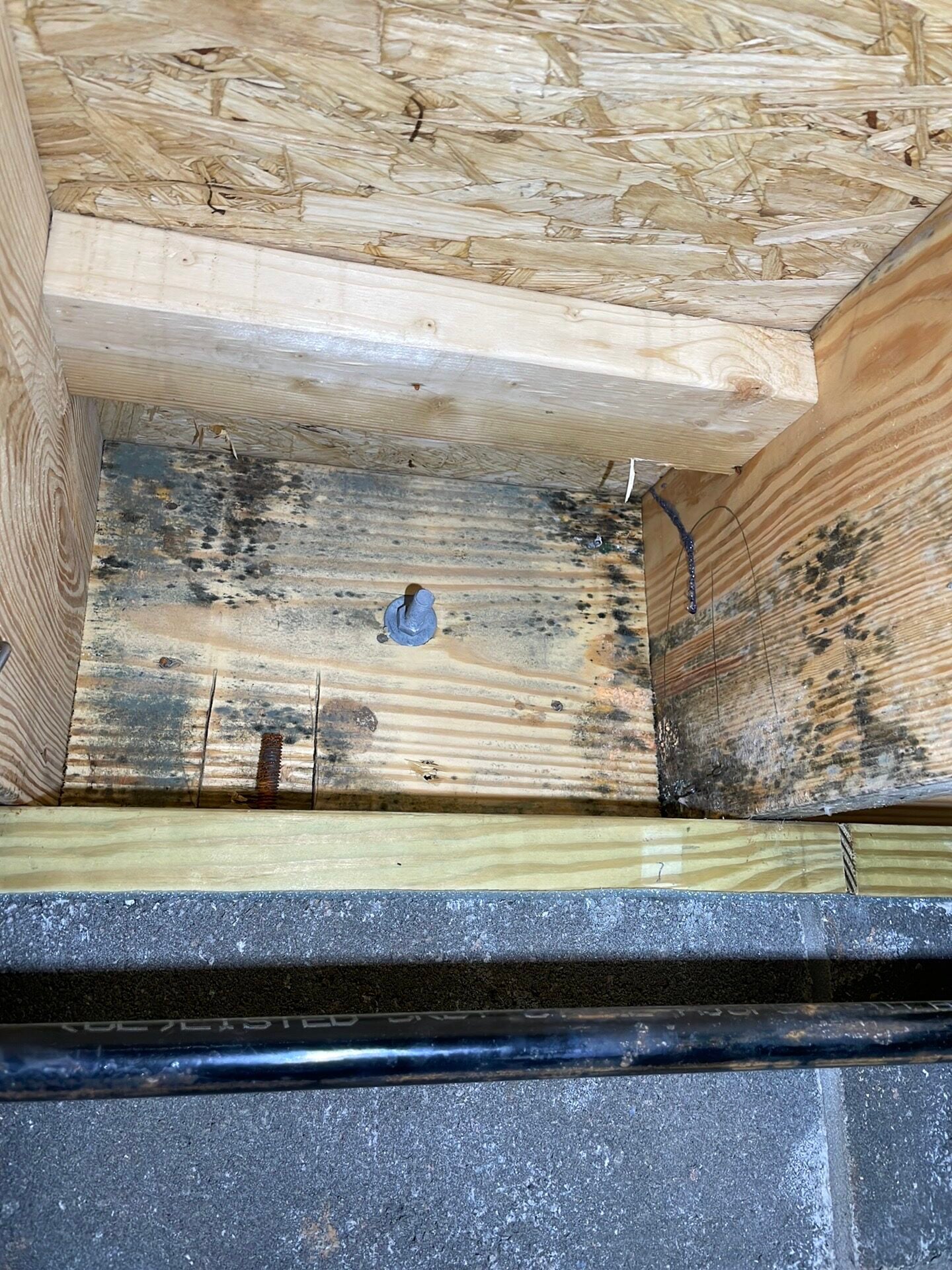
Mold testing is not limited to existing homes changing hands. We test residential and commercial properties, and we also test new construction, most often paired with a Pre-Drywall Inspection before the walls are closed up. Catching moisture problems while framing is still exposed is far cheaper to correct than finding the same issue after drywall, insulation, and finishes are in place.
One condition applies no matter which type of property we are testing: the building needs to be in closed house conditions, meaning windows and exterior doors closed, for a period before sampling. Air currents from open windows, doors, or excessive airflow can skew the sample and throw off the comparison between the outdoor baseline and the indoor results. We will walk you through exactly what closed house conditions look like when we schedule your testing.
What Happens During a Bent Nail Mold Inspection
We start with a visual assessment of areas most prone to moisture problems: crawlspaces, basements, attics, around windows and plumbing fixtures, and any areas flagged during the general home inspection. Where a visual assessment alone is not enough to answer the question, we collect air or surface samples and send them to Sporecyte’s accredited lab for analysis. You receive a detailed report showing spore types and concentrations, along with an explanation of what the results mean in plain language, not just a page of lab jargon.
Our mold and air quality testing starts at $299 and includes three samples. One is taken outside the home to establish a baseline for the mold spores that occur naturally in the surrounding air, and two are taken inside. That baseline matters because mold spores are present in outdoor air everywhere, so the indoor results only mean something when they are compared against what is normal for that property’s location. For larger homes, we recommend one sample for every 1,000 square feet to make sure every area of the home is represented. Results come back from the lab in 3 to 4 business days.
We do not sell fixed packages. Every home and every situation is a little different, so we work with you to build a testing plan around the size of the home and your specific concerns, whether that means air sampling only, air sampling combined with tape lift or swab samples on a suspicious area, or a broader combination of services. If you purchase three or more services from us, whether that is mold testing, air quality testing, radon testing, or another ancillary service, you receive a 10 percent discount on the additional services.
You also do not need a home inspection to use this service. Homeowners who are not buying or selling can request mold testing, air quality testing, or a combination of the two as a standalone testing and consulting service any time a concern comes up.
Mold Inspection FAQ
Is the technician performing mold testing certified?
Yes. Our technicians hold IAC2 mold inspection certification, in addition to Sporecyte’s ISO/IEC 17025:2017 accredited lab analysis, so both the sample collection and the lab analysis follow recognized standards.
Do you test commercial properties?
Yes. Mold and air quality testing is available for commercial properties as well as residential homes.
Can mold testing be done on new construction?
Yes. Mold and air quality testing can be done on new construction, most often paired with a Pre-Drywall Inspection while framing is still exposed, or on an existing, completed home.
Do I need to do anything to prepare my home for mold testing?
The property needs to be in closed house conditions, meaning windows and exterior doors closed, for a period before sampling. Open windows or doors can let in outside air currents that skew the results. We will explain exactly what to do when you schedule.
How much does a mold inspection cost?
Mold and air quality testing starts at $299. That base price includes three samples: one outside the home, which establishes a baseline for the mold spores naturally present in the surrounding air, and two inside the home. We do not sell fixed packages, we build a plan around the size of the home and your specific concerns. If you purchase three or more services with us, you receive a 10 percent discount on the additional services. Call us at (865) 748-9414 or request a quote online for a price based on your specific situation.
What sampling methods does Bent Nail use for mold testing?
We use air sampling, tape lift sampling, and swab sampling, depending on what we find during the visual assessment. Air sampling detects spores in the air, including mold that is not visible, while tape lift and swab sampling are used directly on a suspicious surface to identify what type of mold is present.
Why is an outdoor sample included in mold testing?
Mold spores are naturally present in outdoor air everywhere, so an outdoor sample gives us a baseline to compare against. The indoor samples are then evaluated against that baseline to determine whether indoor mold levels are elevated compared to what is naturally in the air around the home.
How many samples does my home need?
Our base package of three samples, one outside and two inside, covers most homes. For larger homes, we recommend one sample for every 1,000 square feet to make sure every area of concern is represented in the results.
Do I need a home inspection to get mold testing?
No. Mold and air quality testing can be scheduled alongside a general home inspection or radon test, or as a standalone testing and consulting service. Homeowners who are not buying or selling can request testing any time a concern comes up.
How long does it take to get mold test results?
Sample collection happens on site during the inspection. Lab turnaround from Sporecyte is typically 3 to 4 business days, and we will let you know the expected timeline when you schedule.
Does a general home inspection include mold testing?
No. A general home inspection is a visual review of the home’s systems and components. It may note visible staining or moisture concerns, but it does not include lab sampling. Mold testing is a separate, targeted service.
What happens if my mold test comes back positive?
Bent Nail is a testing and consulting service, not a remediation company, so our results stay objective. If mold is found, we can point you toward mold remediation contractors we have worked with in the East Tennessee area, and we offer post-remediation clearance testing to confirm the work was effective once it is complete.
Is mold in a house dangerous?
Some mold species can affect indoor air quality and may cause symptoms in people with allergies, asthma, or other sensitivities. The health impact depends on the type and concentration of mold present, which is exactly what lab testing is designed to identify.
What areas of a home are most likely to have mold?
Crawlspaces, basements, attics, and areas around plumbing, windows, and past water intrusion sites are the most common locations. In East Tennessee, summer humidity combined with limited crawlspace ventilation is a common driver, along with condensation forming on HVAC ductwork as it moves cool, conditioned air through hot, humid spaces.
Buying a home in Knoxville, Oak Ridge, or Maryville, or just want peace of mind about your current home? Schedule mold testing and air quality testing alongside your home inspection, or as a standalone service.